In 1985, Judy Galbraith published a study titled "The Eight Great Grips of Gifted Kids: Responding to Special Needs" in the
Roeper Review. Her research was based on interviews with over 400 gifted students aged 7 to 18. It highlighted the unique challenges faced by gifted children. Later this work was incorporated into her book,
The Survival Guide for Gifted Kids, and in the decades that followed, gifted education specialists have continued to document many of the same Eight Great Gripes as expressed by their students.
The Eight Great Gripes are these:
- The Secret of Giftedness: No one clearly explains what being gifted means, leaving kids confused about their traits.
- Boring Schoolwork: Regular school tasks often feel too easy and repetitive.
- Pressure to be Perfect: Adults and peers expect flawless performance all the time.
- Smart-Kid Teasing: Other children frequently tease or mock them for intelligence.
- Few True Peers: Finding friends who share the same mental wavelength is difficult.
- Feeling Alienated: They feel fundamentally different from others and crave simple acceptance.
- Overwhelmed by Options: The sheer number of future life paths and projects causes stress.
- Global Worries: They deeply stress over major world issues while feeling powerless to fix them.
Using The Eight Great Gripes of Gifted Students to launch a discussion at the Middle School SOAR (Summer Opportunities with Academic Rigor) Camp 2026 this past summer, I asked students to anonymously write down their "wonderings" about being identified as gifted, one "wondering" on each half-sheet of paper. Then we scrunched these up into "snowballs" and had a snowball fight in July. At the end of this hilarious activity, we opened the snowballs and shared our thoughts.
Since most of you reading this article are either educators or parents/caregivers of gifted students, I thought I would share the "wonderings" with you in their raw form…these are exactly as the students wrote them. Many of them echo the Eight Great Gripes, and many of them go way beyond. This was a very thoughtful, introspective group, and I hope that their insights will guide you on your educational or parenting journey.
I WONDERS…SOAR CAMP 2026
- I wonder if everyone could be gifted with time…
- If I am overwhelmed with everything I'm thinking about and doing, how can I effectively make a difference?
- Why do gifted people think they need to be perfect?
- I wonder how other people keep themselves "in check"?
- Why do we care so much about world problems?
- I wonder what my IQ is?
- I wonder why I gather information so quickly?
- I wonder what other people think of how I act?
- How do they identify who is gifted and who is not?
- Is being gifted a fine line or is it more abstract?
- How do you make friends with kids who are not gifted or don't have the same interests?
- Why are some people gifted in many things, while other people are only gifted in one or two?
- I wonder why people expect me to be perfect?
- Why don't some people try to understand gifted students?
- If I am gifted in a certain area, why is that area so hard for me sometimes?
- Why do some gifted people have trouble finishing their schoolwork?
- What am I supposed to do after college?
- I wonder why I am gifted?
- I wonder if there are programs to teach gifted kids to live a fulfilling life despite the challenge they face as gifted kids?
- How did I get called gifted?
- What are some things I can do to help the world (I am just a kid).
- What can I do to feel like I’m setting up a stable future?
- When will I know what I want to do in life?
- Who decides which kids have gifted classes?
- Why do people see me differently than others?
- I wonder why jealousy is such a big reason for bullying?
- I wonder why people focus on other people's grades and not their own?
- How are the GATE/GT programs different around the world, especially in America?
- I wonder what makes someone gifted?
- I wonder why friends expect so much of us?
- I wonder why people single me out to do the work?
- I wonder how the people who pick on smarter kids feel about themselves?
- Why do people expect so much from us?
- I wonder how many people deal with the same problems I do?
- I wonder why I like math so much?
- I wonder why I am in an advanced reading class?
- How do they pick who goes to advanced learning classes?
- I wonder why I read so slowly?
- I wonder if I can get people to better understand me?
- What is college really like?
- I wonder if anyone can be gifted?
- How do others see me?
- Why do they expect us to know what we're good at?
- Why do I feel like I could always do more?
- How do people find achievement and purpose even when they feel they need to do too much?
- Why are people mean to smarter people?
- What can I do when I feel worried about world problems?
- How can I be more confident in myself?
- Why does everyone expect me to be my sister?
- Why do people look at me like I am different, even though I am human just like them?
- If I can't be provided what I need to grow and succeed, how can I grow?
- Why do we feel like our intelligence and success is ranked by our situations?
- I wonder if it gets harder or easier to not spiral about things as you age?
- Why do people expect me to be better than everyone else?
- Why is it that only gifted kids and ex-gifted kids are the ones that understand us best?
- Why don't "normal people" understand gifted kids?
- I wonder why I overwhelm myself with goals?
- I wonder why math has the most opportunities for gifted kids in school?
- Why do I feel the need to be perfect in all subjects?
- I wonder why I think so much?
- How do I talk to my parents about myself?
- How do you deal with stress or boredom in school?
- Why isn't there a standard statewide gifted and talented program?
- Does gifted and talented run in families?
- Why am I expected to get perfect grades in all of my classes?
- I wonder what I can do to help with big world problems?
- I wonder why people want so much from me academically?
- I wonder if schools could provide free time for gifted kids to explore new things without the limitations of schedules and the pressures of grades?
- I wonder why I criticize myself so much, but am very gracious/lenient with others?
- Why must I worry about things that don't even affect me?
- How can I make a difference to people while focusing on my own success?
- What should I do if I have anxiety?
- How do I cope knowing that my past expectations do not match my current situation?
- Why does no one tell us about our gifts?
- Why aren't there more talented programs for social studies and the arts?
- I wonder if gifted kids have scientifically different brains?
- Why do gifted kids feel different?
- I wonder how many gifted kids go completely unnoticed and if it's more common in different types of giftedness?
- What parts of the education system could be changed to support gifted kids, and how?
- Is being gifted something people learn, or already know?
Though we couldn't adequately answer all of the "wonderings," the discussion was thoughtful, deep and ongoing. There was a palpable sense of relief as we aired some shared concerns; clearly students understood that they weren't alone in their "wonderings," and many found this reassuring.
I hope that sharing this revelatory experience with you gives you more insight into some of today's gifted students and their thoughts. Hopefully, this will encourage you to initiate conversations with your children and student(s). These young people are truly amazing. I consider myself most fortunate to have had this experience.
As always, I welcome your thoughts. Together we grow.
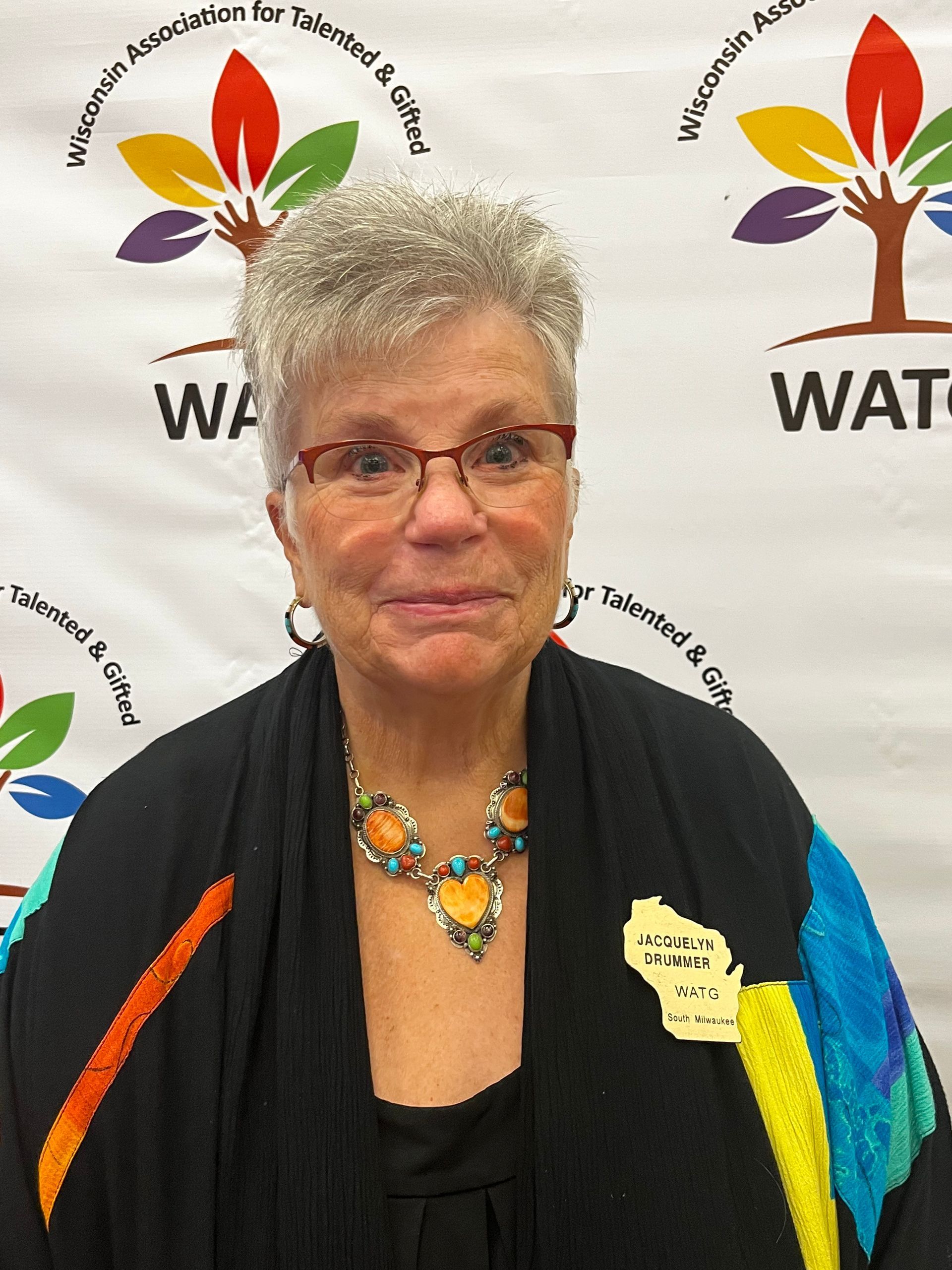
- Jackie Drummer, Past President and Current WATG Board Advisor
Thank you to Esther Vazquez of the Appleton School District for the translation of this article for our Spanish-speaking educators and families.