

Unlocking the Potential of Your District's Gifted & Talented Coordinator

Lance Thompson • October 2, 2026

Share this article

Key Takeaways:

  • Beyond Testing: GT coordinators do far more than manage identification – they possess deep expertise in advanced learning frameworks, district resources, and social-emotional support.
  • Proactive Collaboration: Approach GT coordinators early as collaborative partners to learn about district models like cluster grouping, acceleration, and enrichment.
  • Access Hidden Opportunities: Coordinators can connect families to specialized enrichment programs, academic competitions, and state networks like WATG.
  • A Co-Advocate for Challenges: GT coordinators can help bridge gaps between home, teachers, and administrators to address perfectionism, executive dysfunction, or academic plateaus.

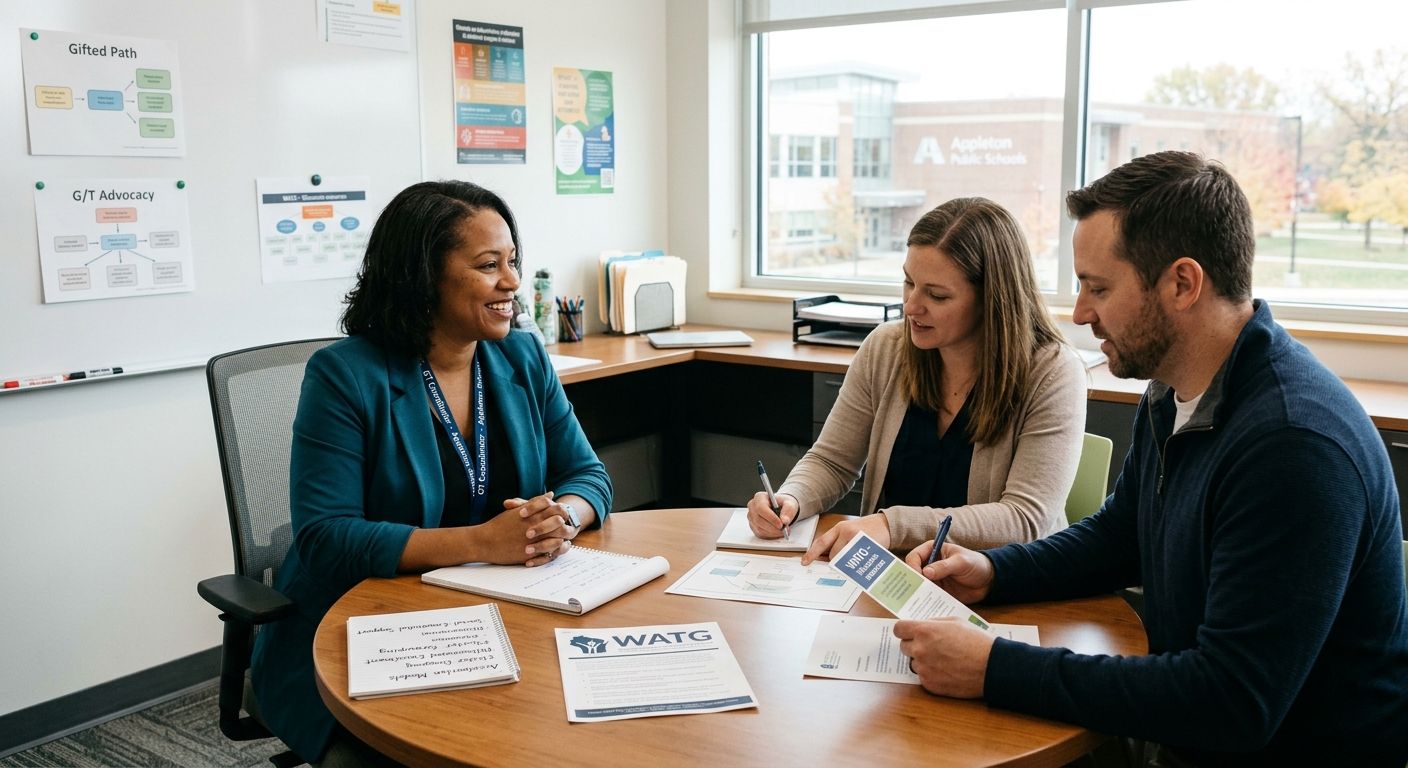
For parents of gifted children, navigating an educational path that keeps their child challenged and engaged can feel overwhelming. While parents may view the district Gifted and Talented (GT) coordinator primarily as the person who manages identification and testing, this professional is one of their best potential allies. Rather than waiting for a crisis or a parent-teacher conference, proactive parents can utilize the GT coordinator as a collaborative partner. These specialists have a deep understanding of advanced learning frameworks, district resources, and the unique social-emotional needs of high-ability students, making them invaluable guides for their child's educational journey.


To build a strong partnership, start by approaching your GT coordinator as an information-seeker rather than an adversary. Schedule an informal check-in to learn more about the specific models your district uses—whether that involves subject-acceleration, cluster grouping, or differentiated enrichment projects. Ask how you can support these learning goals at home, and share insights about your child’s out-of-school passions, intensities, or struggles. GT coordinators can often point you toward non-traditional opportunities, such as regional academic competitions, summer enrichment programs, or specialized Wisconsin resources like the Wisconsin Association for Talented and Gifted (WATG) network that you might not find through standard classroom channels.


Ultimately, working effectively with a GT coordinator is about ongoing advocacy, not just one-time requests. Remember that these educators often bridge the gap between classroom teachers, administration, and families; they can serve as a knowledgeable sounding board when your child encounters academic plateaus, perfectionism, or executive function hurdles. By maintaining open lines of communication, sharing constructive feedback, and viewing the coordinator as a co-advocate, you create a supportive system that helps your gifted child thrive both inside and outside the classroom.


- Lance Thompson, WATG Board Member

Recent Posts

By Raj Peddapati • October 2, 2026
Explore how a student-led Rubik’s Cube Club builds resilience, healthy risk-taking, and leadership skills in young learners beyond classroom instruction.
By Mary Ann Hudziak • September 29, 2026
Discover how data-informed questions and targeted screeners help identify gifted potential, reduce bias, and support diverse learners beyond test scores.
By Laura Mukerji • September 11, 2026
Discover how early enrichment opportunities and museum visits help shape student identity, boost academic confidence, and drive long-term talent development.
By Dr. Sara Bolster • September 10, 2026
Discover key traits to identify gifted and twice-exceptional learners in September by observing curiosity, creative problem-solving, and non-traditional strengths.
By Keelin Eggleston • September 8, 2026
Help gifted learners avoid boredom and burnout by adjusting task complexity, adding constraints, and shifting perspectives instead of increasing work volume.
By Kris Lockhart • September 7, 2026
Learn how to use student data to differentiate instruction for gifted learners by adjusting classroom content, process, product, and learning environment.
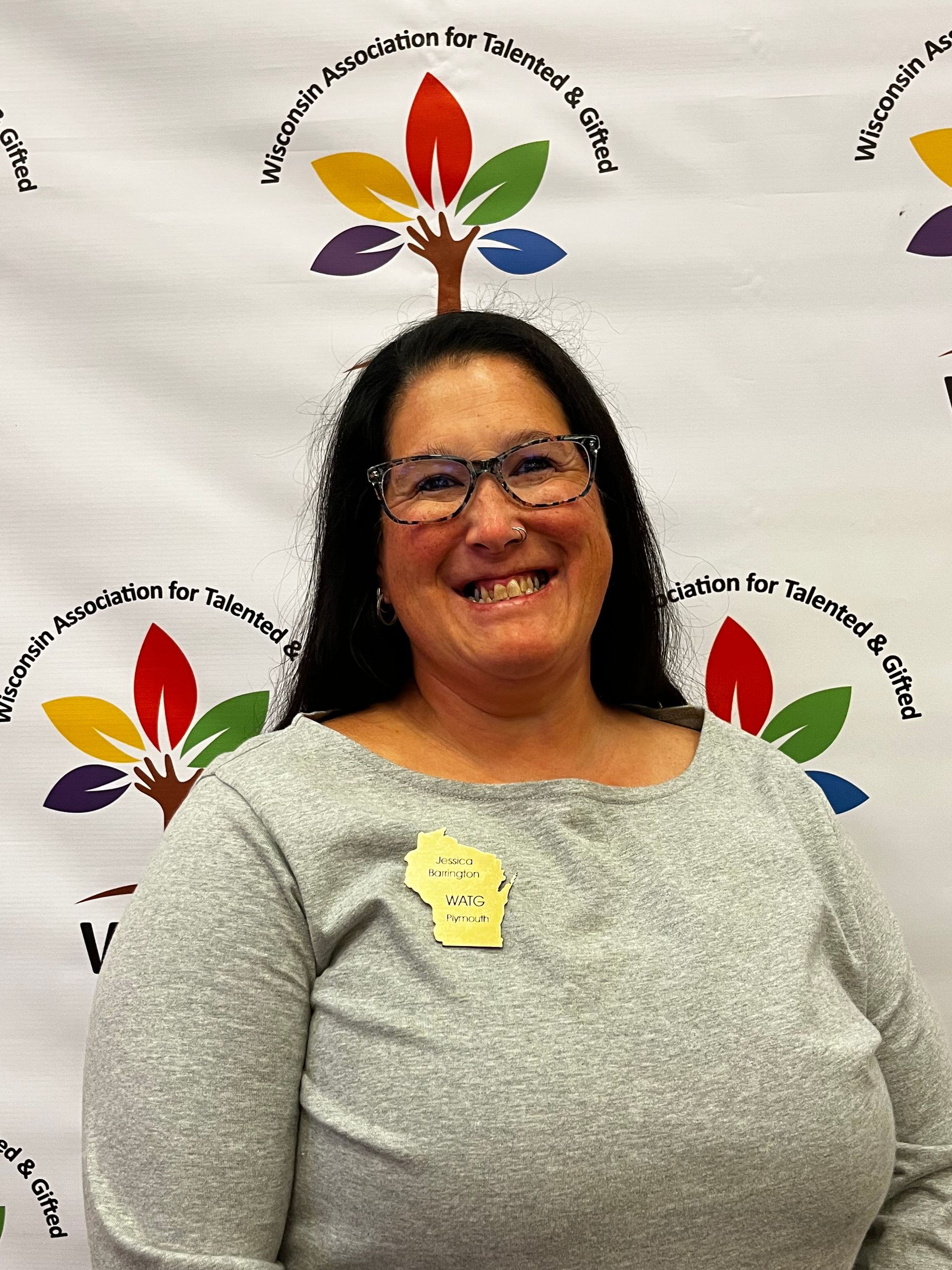
By Jessica Barrington • August 31, 2026
Jessica Barrington debunks 8 GT myths on IQ, self-direction, and grouping, urging teachers to offer targeted guidance and meaningful daily challenge.
By Jackie Drummer • August 31, 2026
Jackie Drummer pairs the classic Eight Great Gripes with raw middle school voices. Explore their honest wonderings to spark meaningful student dialogue.
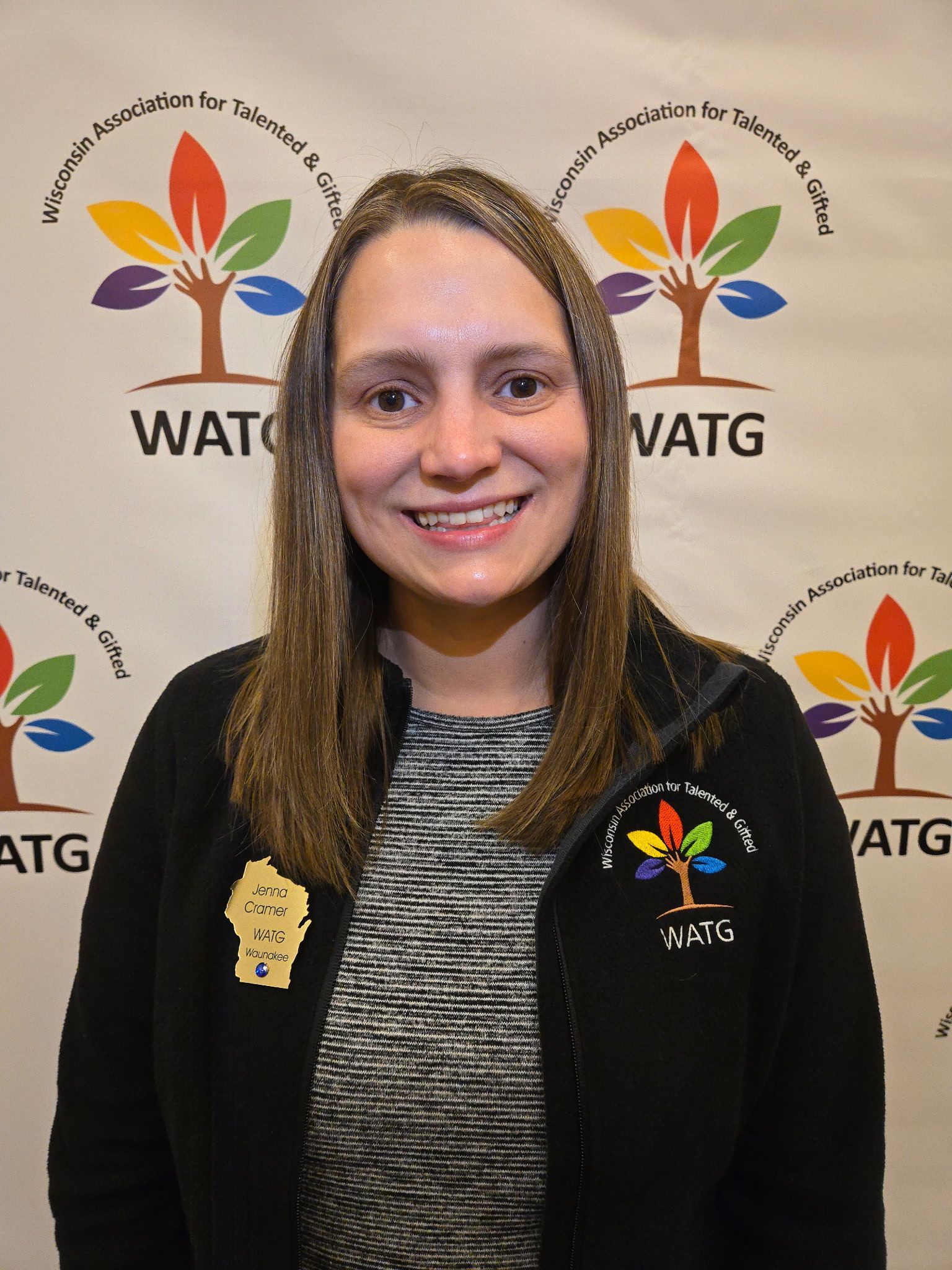
By Jenna Cramer • August 31, 2026
Is giftedness part of neurodiversity? Dr. Jenna Cramer explores differing perspectives, 2e complexities, and why clear terms matter for student support.

By Jennifer Neuman • August 6, 2026
Help gifted learners build executive function skills! Discover strategies for parents and teachers to manage task paralysis and organization.
Show More