Though the typical time for reflecting on the past year and making New Year's resolutions is in January, many of us are probably still thinking about how to have a healthier and happier life during 2026. This is especially true, I think, for gifted children and adults, who often ponder life's bigger questions. Advice on these topics is ubiquitous these days – in articles, podcasts, and social media; some of it is worth considering, and here is an example.
I recently read an article in
The Atlantic by Arthur C. Brooks entitled
James Patterson's Maxims for a Happy Life, which considers how to find and cultivate creativity and contentment in our lives. As I often do, I read this through my gifted education lens, wondering what takeaways we could use for our children, our students, and ourselves.
In his article, Brooks notes that creative pursuits are one of the best ways to boost well-being, and there is much evidence for this. In researching his article, he interviewed highly creative author James Patterson, who has published more than 200 books, selling over 425 million copies; additionally, he holds the Guinness World Record for the most No. 1 New York Times
best sellers, (67). Brooks was curious about how Patterson sustains his creativity and creative drive, and what other life lessons Patterson has learned over his career. Patterson was quite humble and introspective and offered some interesting suggestions.
First, he reminded us to be both confident and humble. Life is full of ups and downs, confirmations and rejections. He suggested that we cultivate a "quiet ego." In his words, "The
research is clear that the quiet ego's combination of traits predicts resilience and well-being, because confidence allows a person to act without too much fear, while humility keeps them from becoming unbearable when things go well." This, I believe, is a lesson that we can patiently teach to gifted children and adolescents; additionally, we can practice it ourselves.
Next, Patterson recommends paying attention to the process as well as the product or outcome. He reminds us that most of our lives are spent in the present, in the moment, in the process. If we want good outcomes, moments count. In our busy lives, this reminder is imperative.
Patterson then reminds us about the work of
Angela Duckworth, American academic and psychologist, on
grit, the hard work that is necessary for strong outcomes and contentment. In his words, "excellence is less about talent and inspiration, and more about hard work and persistence…hope, effort, precision, passion, ritual, and prioritization." Gifted children (and sometimes gifted adults) may attribute success to luck or innate talent, and often need to be taught the value of perseverance when things are difficult. Grit can be taught, and mult be practiced.
Patterson then suggests looking for an ordinary life rather than relentlessly chasing elusive and exhilarating experiences; he recommends savoring life's everyday moments. For many of us, this will mean rekindling awe, gratitude, and satisfaction with the small but beautiful and simple moments in our lives. For some of us, this advice may be counterintuitive, but much research supports his advice, and sharing this knowledge with others, especially children, can enhance their contentment. Consider taking a wonder walk, journaling, modeling gratitude, and sharing your joys in daily life with those you love.
Finally, Patterson suggests that we focus on what is improving in our lives, not what is getting worse. We need to find our strengths, follow our passions, and grow our talents. By modeling this quest, and resilience and hope in our lives, we are helping our children to grow resilience and hope in their lives.
Though January has passed, we still have eleven months remaining in 2026. I hope that this article gives you food for thought and growth during the remainder of the year. Happy (continued) New Year!
As always, I welcome your thoughts. Together we grow!
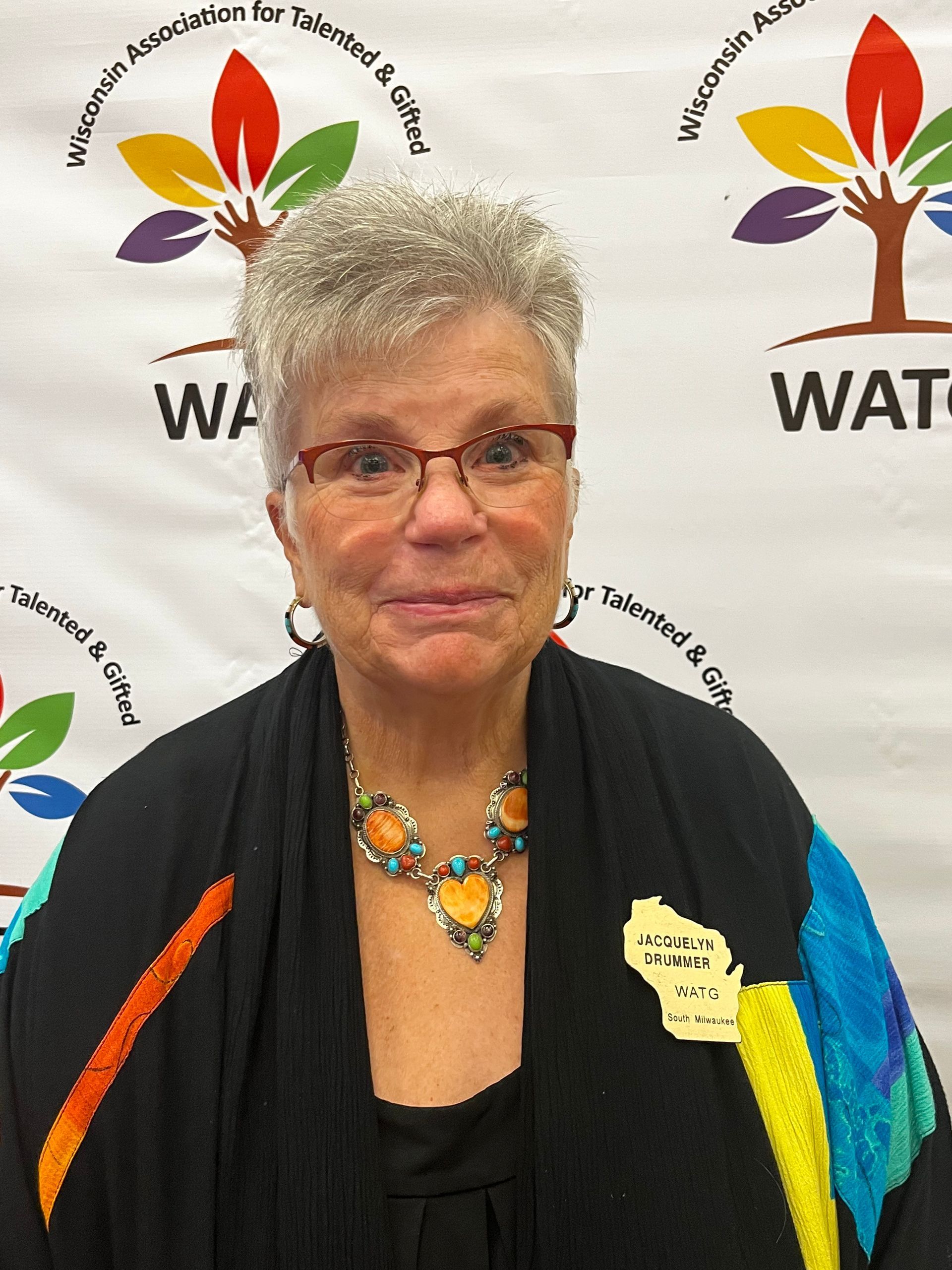
- Jackie Drummer, Past President and Current Advisor to the WATG Board
Thank you to Esther Vazquez of the Appleton School District for translation of this article for our Spanish speaking educators and families.