

Celebrating Excellence and Opportunity: MPS Students Honored with the NAGC La Excelencia Latina Award

Martha Lopez • December 28, 2025

Share this article

Nurturing the potential of gifted and talented students requires more than recognizing ability; it demands intentional opportunities, equitable access to resources, and a community committed to helping students thrive. When schools and organizations invest in advanced learning experiences, mentorship, and culturally affirming support, gifted students are empowered not only to excel academically but also to develop confidence, leadership, and a strong sense of purpose. These investments are especially vital for students from historically underrepresented backgrounds, whose talents flourish when barriers are removed and possibilities are expanded.


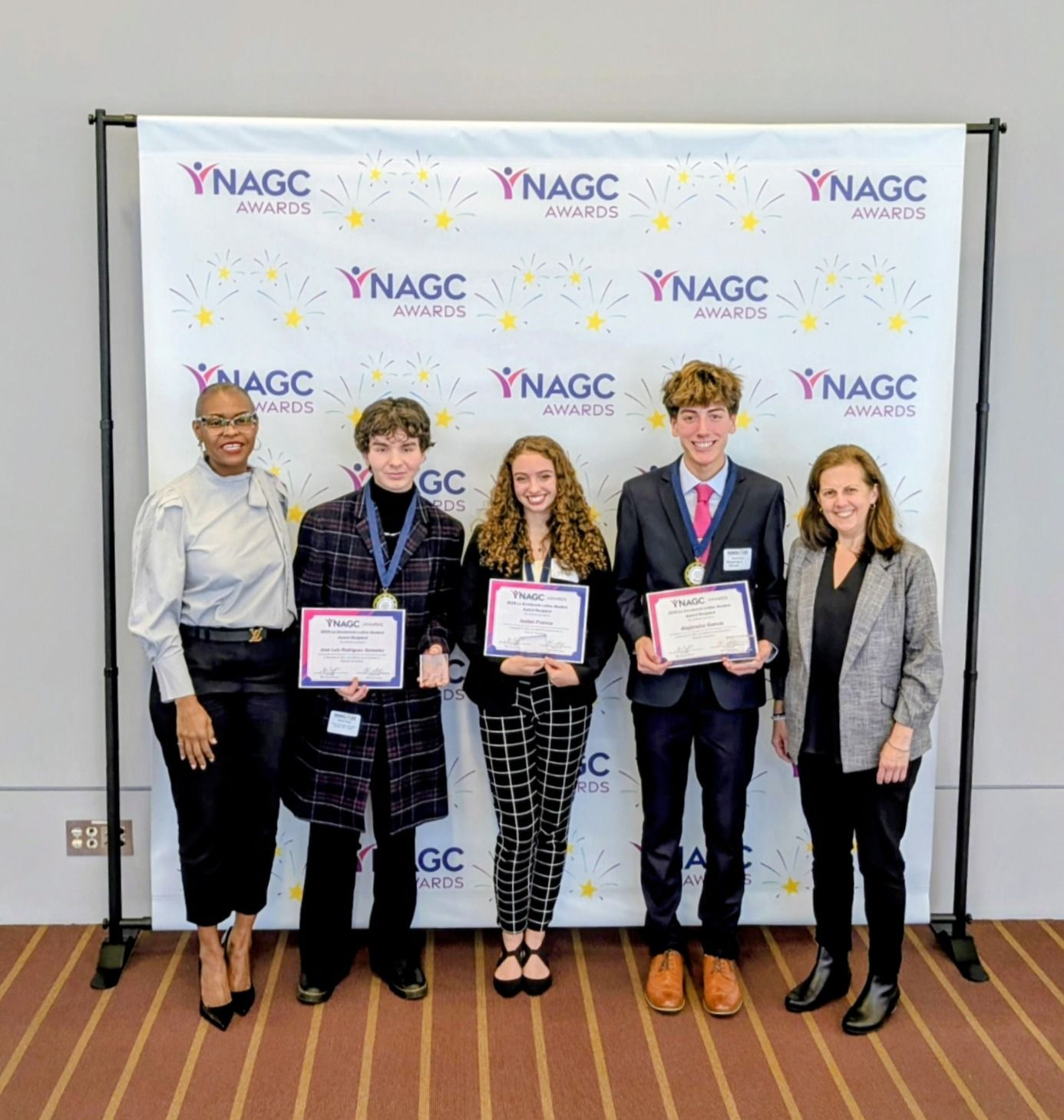
That commitment to opportunity and excellence was celebrated on a national stage at the 2025 National Association for Gifted Children (NAGC) Convention, where two exceptional Milwaukee Public Schools students from Ronald Reagan IB College Preparatory High School were honored with the prestigious
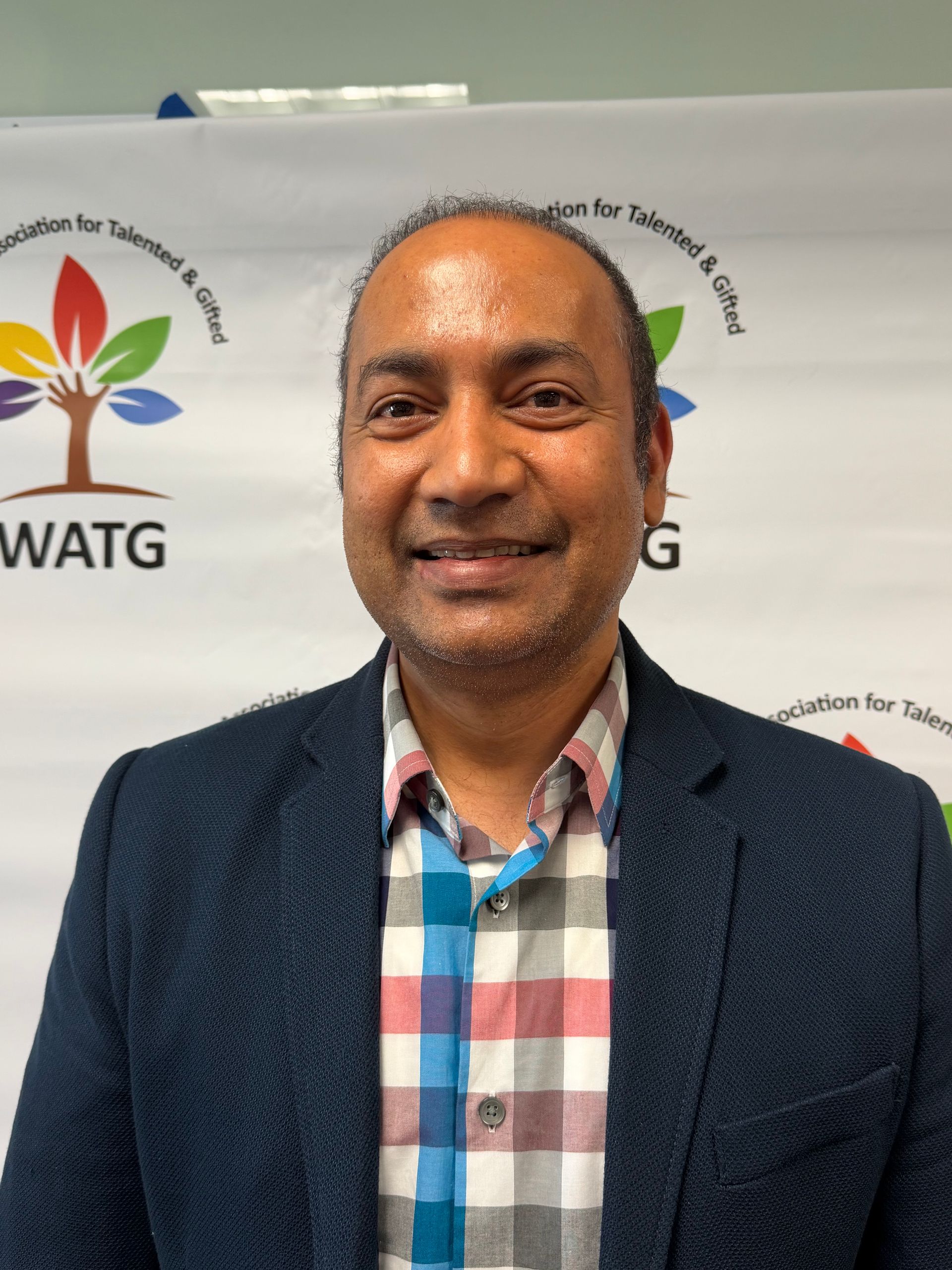
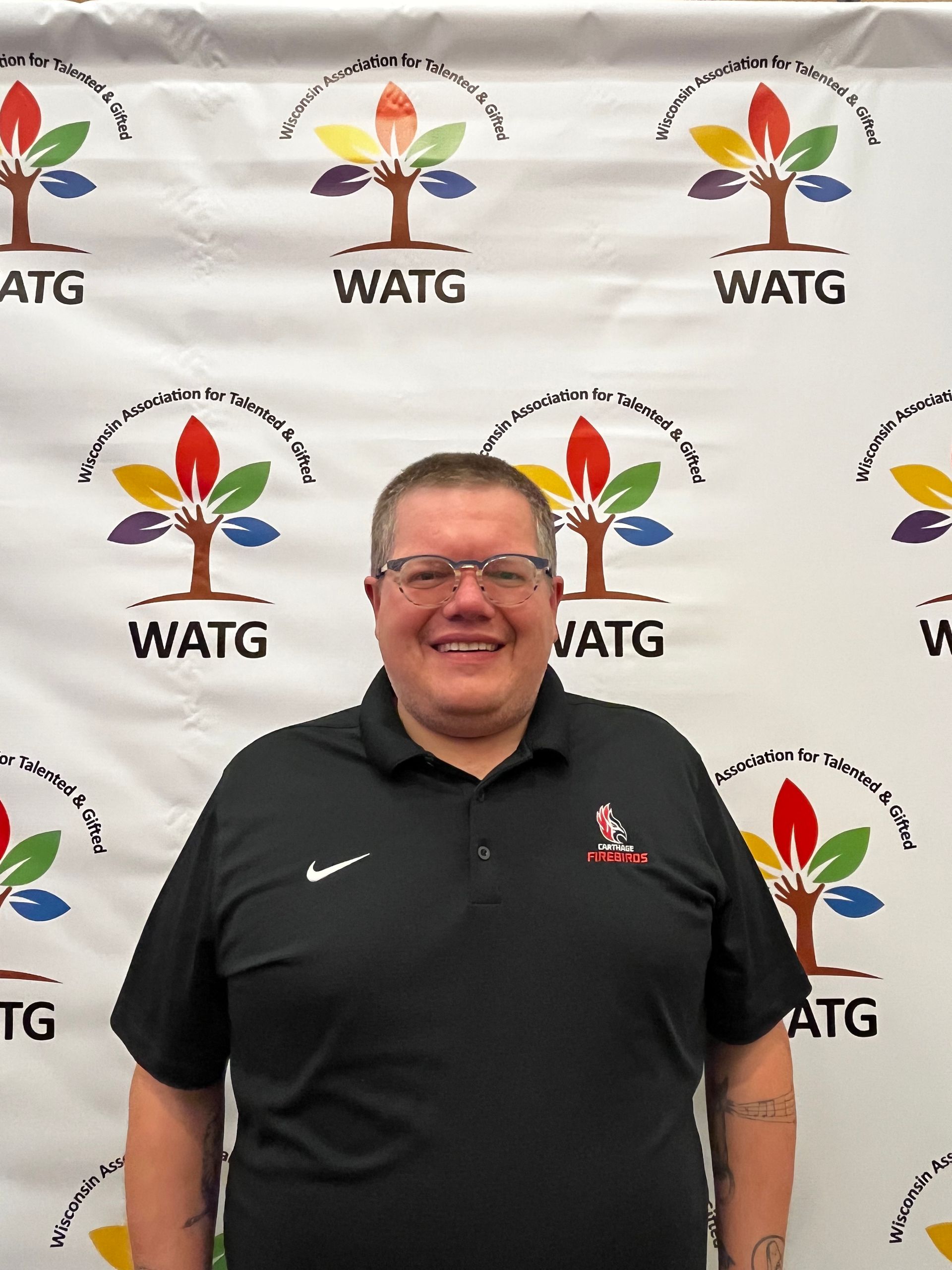
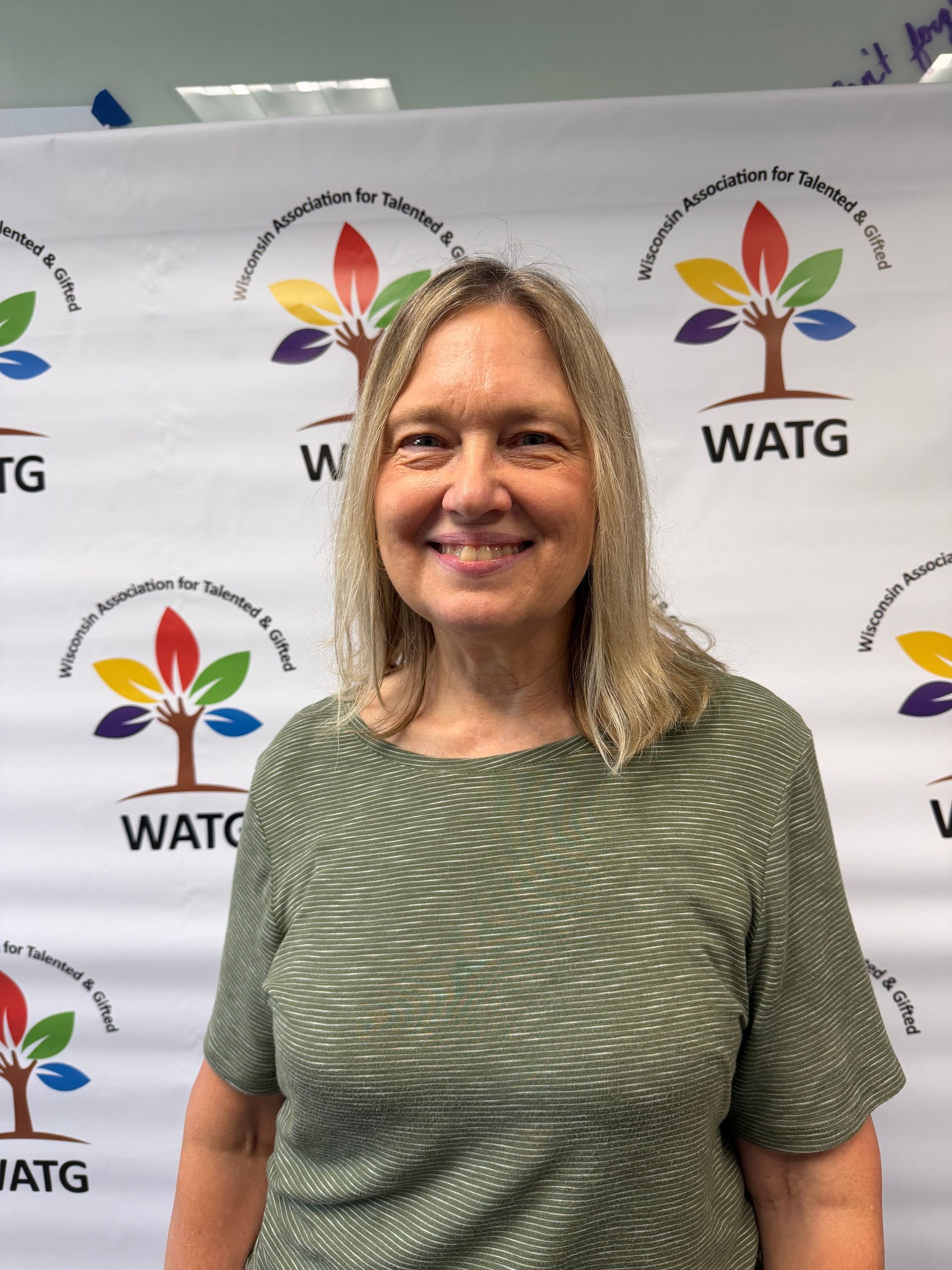
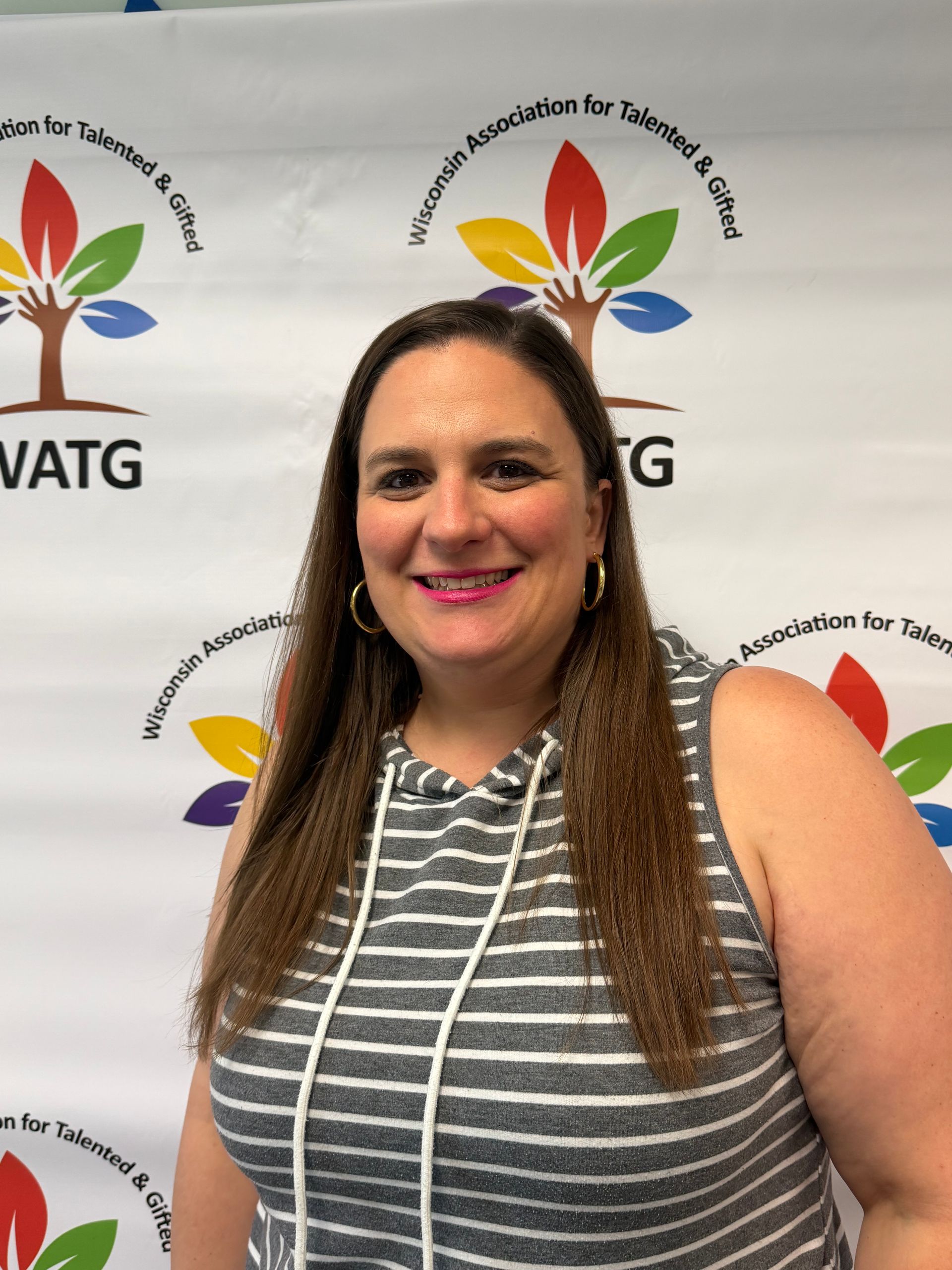
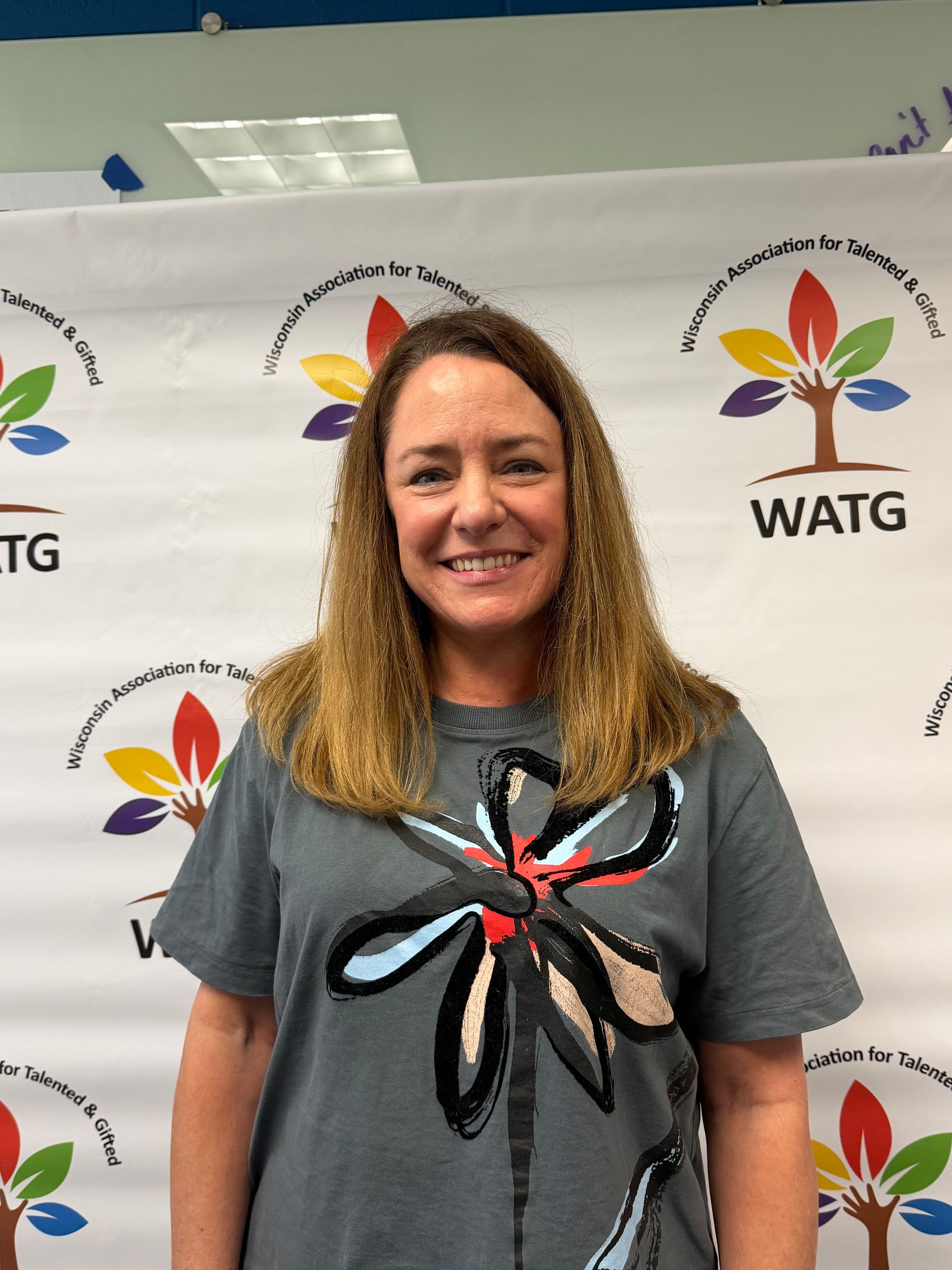
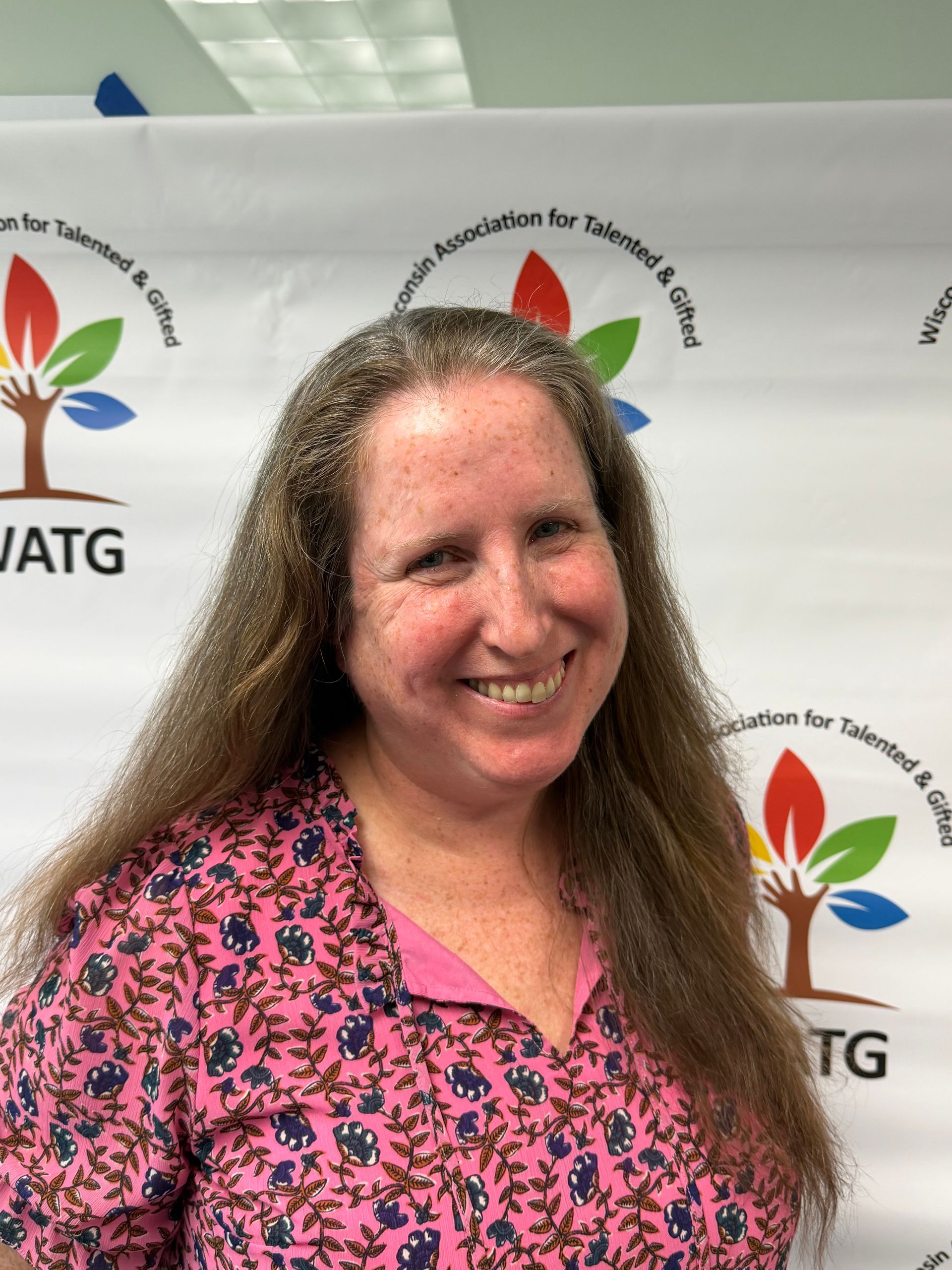
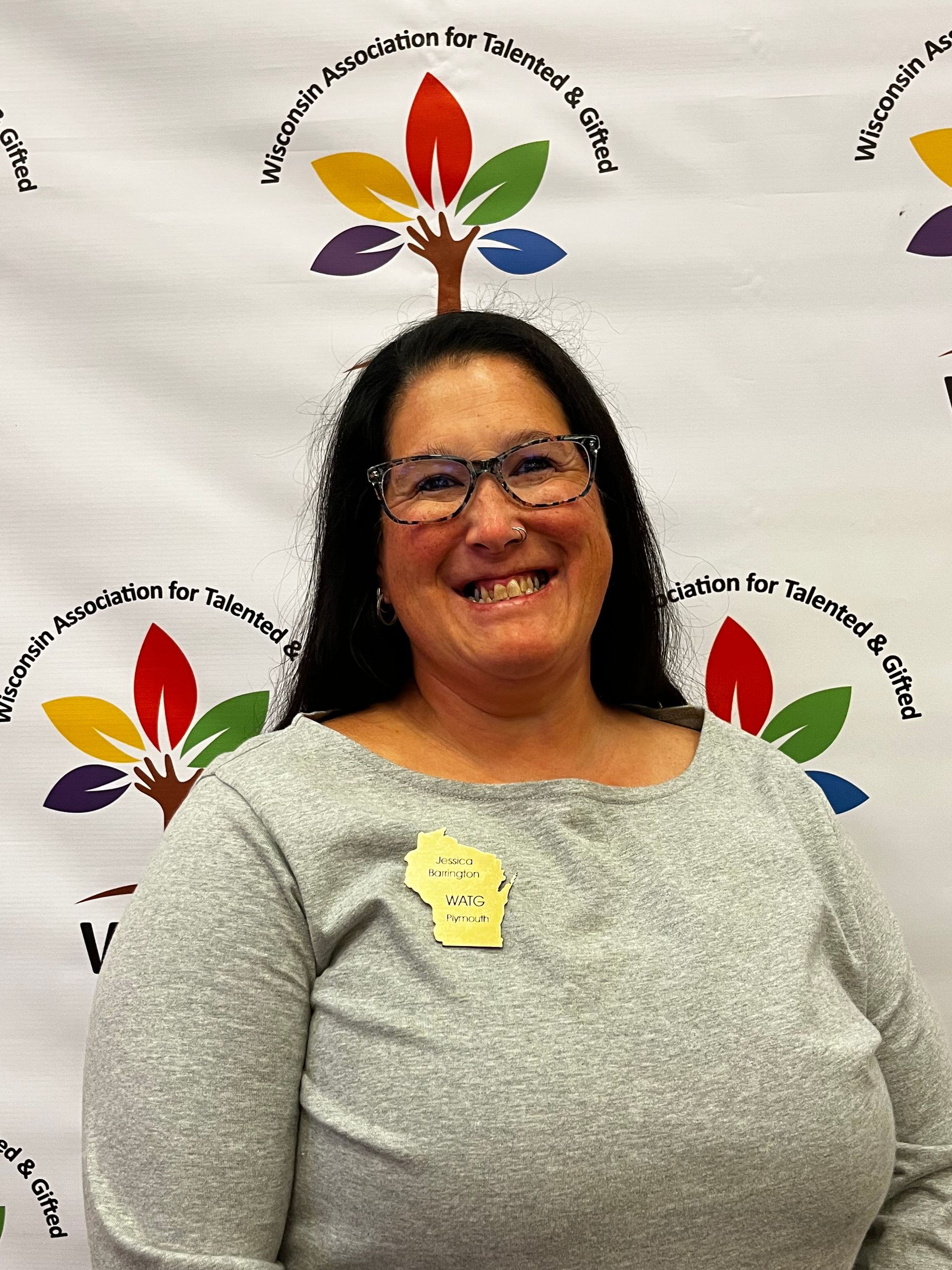
La Excelencia Latina (Latin Excellence) Award. Presented by the NAGC Rompiendo Barreras/Breaking Down Barriers for Gifted Hispanic/Latino Populations Special Interest Group—co-chaired by WATG Board of Directors members Dr. Germán Díaz and Dr. Martha López—this national award recognizes gifted Latino/a students who exemplify academic excellence, leadership, perseverance, and pride in cultural identity.


Isabel Franco
, a 12th-grade student, was recognized for her outstanding academic achievement, leadership, and unwavering dedication to service. With aspirations of becoming a pediatric ICU physician, Isabel is guided by compassion and resilience. “I don’t give up on my dreams or my goals; I only ever expand them,” she shares. With a remarkable 4.30 GPA, Isabel’s drive and purpose reflect the transformative impact of high expectations paired with meaningful support.


José Luis Rodríguez-González
, an 11th-grade student, was also honored for his excellence and leadership. Deeply rooted in his cultural identity, José Luis describes his Latino heritage as “the foundation of who I am.” This understanding has shaped his commitment to perseverance and excellence in all that he does. With a 4.0 GPA, José Luis exemplifies how cultural pride and academic rigor together foster strong, thoughtful leaders.


WATG proudly congratulates Isabel Franco and José Luis Rodríguez-González on this national recognition. Their achievements are a testament not only to their talent and determination, but also to the collective support of their parents, families, teachers, mentors, and school leaders who have nurtured their gifts and believed in their potential. Their success reminds us that when schools and communities work together to invest in gifted learners, we create pathways to brighter futures—and ensure that excellence knows no boundaries.


- Dr. Martha Aracely López, WATG Board Member

Recent Posts

By Jackie Drummer December 28, 2025
This post explores how gifted systems often underserve high-achieving, low-income students and calls for more equitable identification, access, and support.
December 11, 2025
This post highlights that gifted students are more than test scores, using an ACT example to show how teens can set goals while balancing well-being, interests, and social-emotional needs.
December 11, 2025
This post shares 12 strategies to help gifted, 2E, and 3E children manage emotions, routines, and social needs over winter break, reminding caregivers to tailor support to each child.
December 11, 2025
This post explains OBDRAC, showing why gifted learners need meaningful challenge for healthy brain development and offering practical guidance for parents and teachers.
By Jackie Drummer November 25, 2025
A reflection on the journey of gifted adults, highlighting six developmental stages, key insights from Dr. Ellen Fiedler, and an invitation to explore Bright Adults.
By Dal Drummer November 10, 2025
Almost every week we see headlines in the news lamenting the current state of students and education. Titles such as these – “Chronic Absenteeism Continues to Plague School Systems,” “Why Do Students Spend So Much Time on Their Phones?,” “Should Phones Be Banned From the Classroom and Will That Improve Test Scores?" – are prolific and often worrisome. This often leads to proposed solutions, some which undoubtedly have been tried (both successfully and unsuccessfully) in the past. Why do educational leaders (and politicians) continue to “reinvent the wheel” by proposing and utilizing the same (but re-branded) solutions to student learning problems over the years, dropping one after another in favor of a latest “trend” that will supposedly fix everything? Why aren’t we getting results? I feel the above questions are related and may have an easy solution, one that has produced many studied and practical results. It is a solution that I have experienced in my decades of teaching as well. Recently I read an article in K-12DIVE entitled Drawing connections between art and science can improve academic outcomes by Briana Mendez-Padilla. K-12DIVE is a news outlet that provides business journalism and in-depth reporting on trends in the pre-kindergarten through 12th-grade education sector. In this article, students in Mississippi had persistent low test scores until the school decided to make changes and incorporate the arts (and even artists) to work with and alongside the sciences. As a result, test scores rose significantly, as did social interactions between students. In this article, the author points out that today’s teachers are often competing with technology for kids’ attention. Just taking away technology doesn’t insure greater learning, nor does ignoring it. Teachers need to utilize what attracts kids to technology if they want better attendance and better learning. The author points out that students learn best in different ways (as we know); some students have auditory learning preferences, some kinesthetic, and some visual. Some learn best by reading, others not. Many of today’s students are also heavily into music, movement, and video. This is evidenced by their “plugged in” behaviors and their preference for online creation and viewing. It then stands to reason that the more ways a teacher can present material or allow students to learn using their technology, the more the students will be involved in their learning. Learning or showing evidence of learning can be much more than drawing a picture of the plant cycle (straight out of the science book) or making a shoebox diorama, practices of the past. As educators, we need to move our practices into spaces that our students inhabit. Some simple examples about different ways of learning/demonstrating wave action using science and the arts together could be students acting out wave action through dance using their different music choices (singly or in groups). Teachers could also, using light, prisms, and paints, show how colors can mix and affect how we see our world, and then critically analyze the use of light and color in water portrayed in historic and contemporary works of art (found online, of course). Or students could create music that they feel mimics wave action, mixing and remixing existing music or creating their own. Many of them have technological expertise and a great desire to use it. By teaching our curriculum in their world, using the arts as a vehicle, will, many believe, generate renewed excitement in learning. Finally, in order to develop curricular connections between science and the arts, administrators have to deliberately set aside time for curricular collaboration. Collaboration isn’t something that just magically happens; it takes time, interest, and creativity to connect them, a marriage of will and skill! Professional development time should be used to develop curricular connections, therefore enhancing teachers’ skillsets. Better teaching makes for better student outcomes. Coordination between the arts and sciences shouldn’t take much of a monetary investment; it can often be free, and the results can be priceless. Many free connections exist within community arts organizations, and they can enhance a school or school system. I know this because of my decades of experience as a visual arts specialist and arts coordinator in Milwaukee’s Lincoln Center of the Arts. The arts and sciences have much in common. In fact, through the Renaissance period, the arts and sciences weren’t two separate fields. They were one! They have many connections. Let’s put them back together using today’s technology! See a need for this in your child’s school? Share this article (and others) with them. For more information I direct you to the following articles. https://artsintegration.com/what-is-arts-integration-in-schools/ https://www.kennedy-center.org/education/resources-for-educators/classroom-resources/articles-and-how-tos/articles/collections/arts-integration-resources/what-is-arts-integration/ https://www.edutopia.org/topic/arts-integration/ - Dal Drummer, WATG Board Advisor
By Jenna Cramer November 10, 2025
This blog explains why gifted students need intellectual peers for deeper learning, motivation, and belonging.
By Sarah Kasprowicz November 10, 2025
Highlights Dr. Zakreski’s guidance on supporting neurodivergent gifted learners by asking targeted questions, recognizing sensory cues, and preventing overload.
By Maria Katsaros-Molzahn October 27, 2025
Dr. Dante Dixon inspired educators to help students turn hope into action – building motivation, equity, and resilience to unlock their full potential.
By Jackie Drummer October 27, 2025
Jackie Drummer explores how curiosity, creativity, and critical thinking foster cross-domain thinking—helping students connect ideas and innovate across subjects.
Show More