If you were to ask a gifted person to ask about their giftedness, how do you think they would respond? Would they be able to verbalize the areas of giftedness that they have been identified for? Why is that when we identify children as gifted, we don’t take the time to educate them, their families, and their teachers about these areas of giftedness?
Schools in the state of Wisconsin are legally required to not only identify students but provide programming that matches the area or areas of identification. There are five areas in which a student may be identified as gifted in Wisconsin: General Intellect, Specific Academic, Creativity, Leadership, and Visual and Performing Arts. Each school district may have their own identification process, but these areas of giftedness all need to be supported in some way. Students and parents/caregivers need to be informed of the areas that they have been identified in to be able to advocate for themselves and their children.
The acceleration or enrichment that is provided does have some essential components. In order for the curriculum to be successful, it MUST be engaging, standards based, data driven, research based, and be grounded in culturally responsive practices of relevance, identity, belonging, and community. There are several ways in which the core curriculum can be enriched to provide appropriate challenges to gifted students. Differentiation, acceleration, and modifications are necessary to meet the needs of these students. Modifications that are easy to begin with include pacing, depth and complexity, and grouping. These modifications can be done within the classroom setting and don’t necessarily require the presence of the gifted coordinator or support specialist to be provided; a general understanding of these modifications can be easily shared.
Now let’s examine pace. It is common knowledge that gifted students often learn at a more rapid pace than most other learners. Understanding that a gifted student will need fewer repetitions to learn material is essential in beginning to differentiate within the classroom setting. This can begin with pre-assessing students to determine what skills have already been mastered, which are in progress, and which are completely new to the student. Once teachers know what their students ALREADY know, they can begin to plan their lessons so that they align with the needs of the students. This leads into depth and complexity, grouping, and appropriate pacing. Students who already possess knowledge about a topic deserve to learn something new about the topic. Creating opportunities for students to make connections with the ideas of others within both homogeneous or heterogeneous group settings is crucial within the school setting.
Last, but certainly not least, it is imperative that students be made aware of their areas of giftedness. This can be done through a variety of means. They can simply be told the areas based on their evaluations. I personally prefer to make this a learning opportunity. Through the use of surveys and a series of mini-lessons, students can weigh in on what characteristics they possess, and more often than not, come to the correct conclusion as to their area or areas of giftedness. As the late Sir Francis Bacon would say, “Knowledge is power.” Let’s aim to give our gifted students the power to advocate for themselves and their own needs.
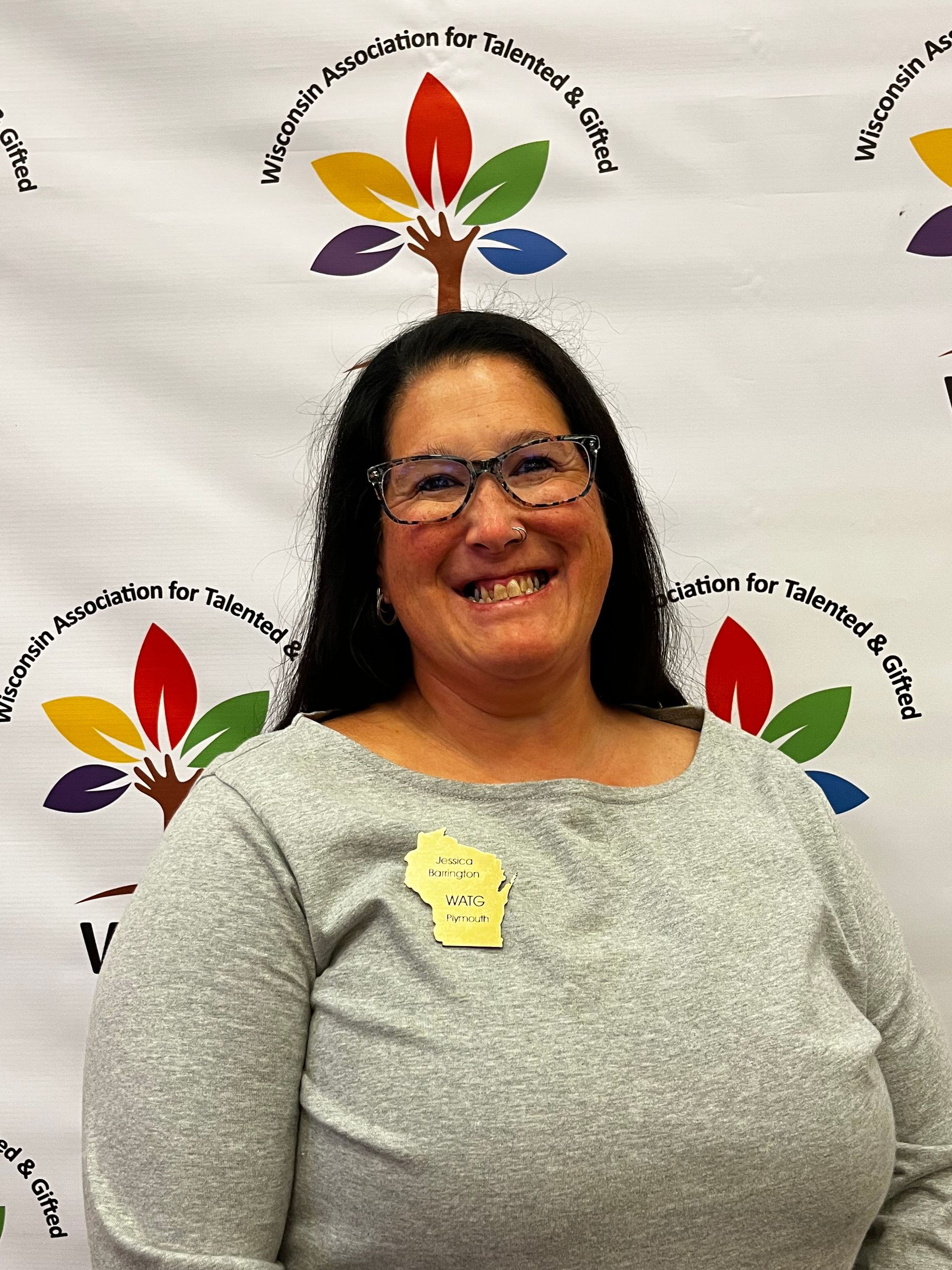
- Jessica Barrington, WATG Board Director