As the final school bells ring across Wisconsin this June, many parents of gifted and talented students face a familiar dilemma – how to keep a high-speed mind engaged during the long summer break without the burnout of traditional "summer school." The answer might just be sitting in their pockets. A new wave of "Personal AI" tools is shifting the landscape of gifted education from passive screen time to active, deep-thinking exploration. Leading the charge is
Snorkl, an innovative platform that is redefining how students demonstrate mastery.
Beyond Multiple Choice
While traditional educational software often relies on "right or wrong" answers. Snorkl asks students to do something much more complex –
explain their thinking.
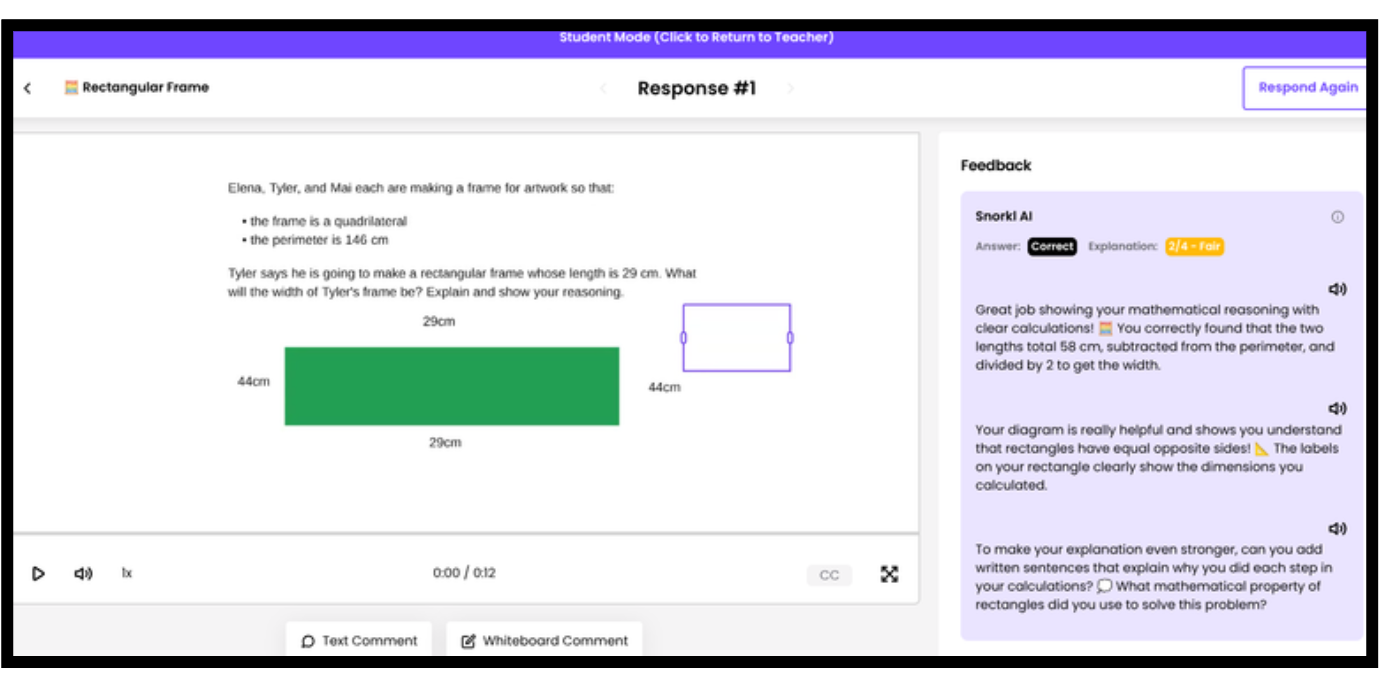
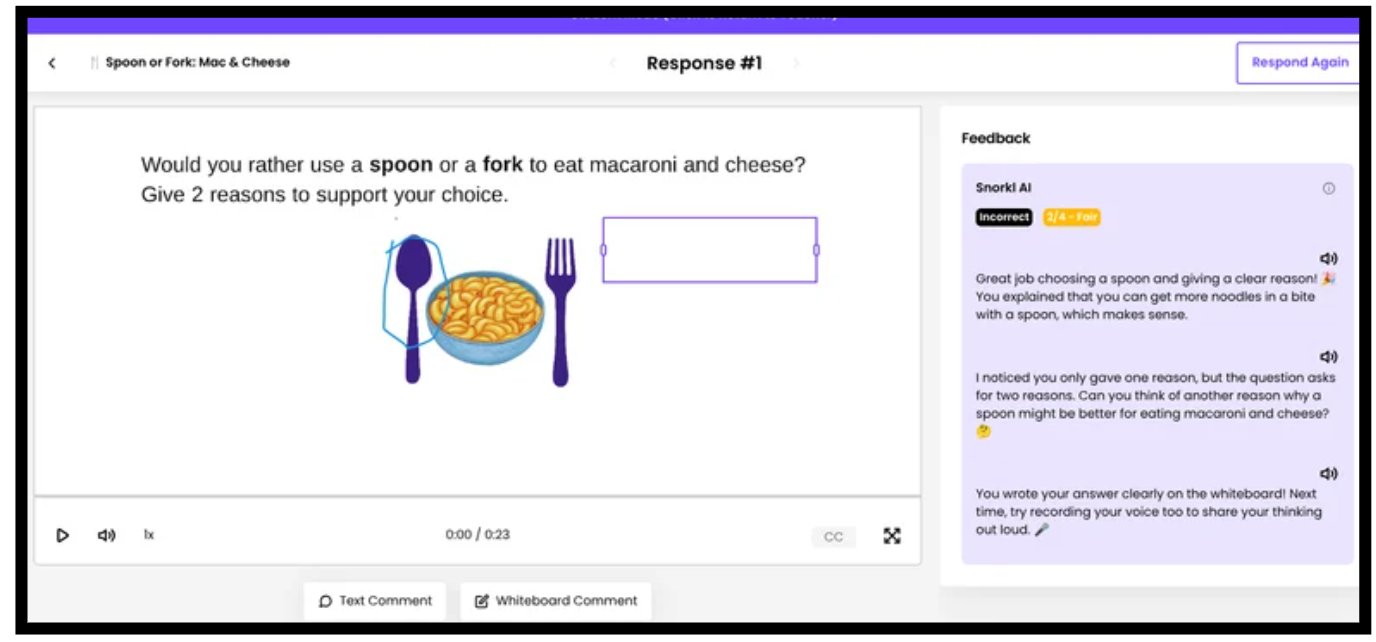
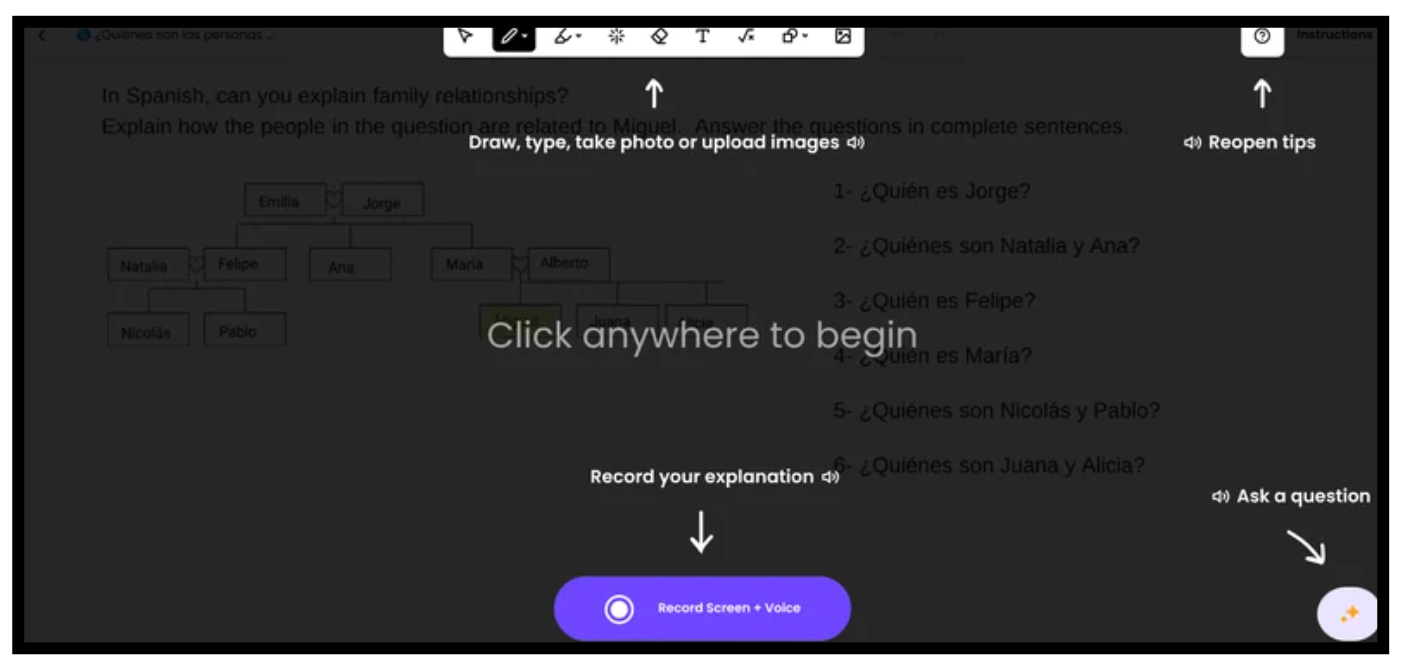
Using a digital whiteboard, students can draw out a physics problem or map out a character's journey in a novel while recording their voice. The AI doesn't just grade the result; it listens to the logic. Within seconds, it provides personalized feedback, identifying "aha!" moments or gently pointing out where a student's reasoning might have veered off track.
Breaking the Language Barrier
Perhaps most exciting for Wisconsin's diverse student body is the tool's inclusivity. Snorkl supports
over 50 languages, allowing students to explain complex concepts in their native tongue or even practice a second language while solving a math proof. For gifted and talented students in dual-language programs or those who are English Language Learners (ELL), this removes the "language ceiling" that often masks their true intellectual potential.
The Summer Advantage
For gifted and talented families, the benefit of tools like Snorkl during the summer months is two-fold:
- Autonomous Learning: It acts as a 1-on-1 tutor that is available 24/7, allowing students to chase "rabbit holes" of interest without needing a teacher present.
- Meta-Cognition: By verbalizing their process, students strengthen their meta-cognition – the ability to think about how they think – which is a hallmark of high-level gifted development.
As we head into vacation mode, the goal for our brightest minds shouldn't be more work, but
better work. By leaning into tools that value the "how" and "why" over the "what," we ensure that Wisconsin's students return in the fall not just refreshed, but sharper than ever.
How to Start "Snorkl-ing" This June
Ready to dive in? Parents can easily set up a summer learning environment in minutes. While
Snorkl is primarily built for schools, it is accessible for home enrichment through its free teacher-tier account.
- Set Up Your "Home Classroom"
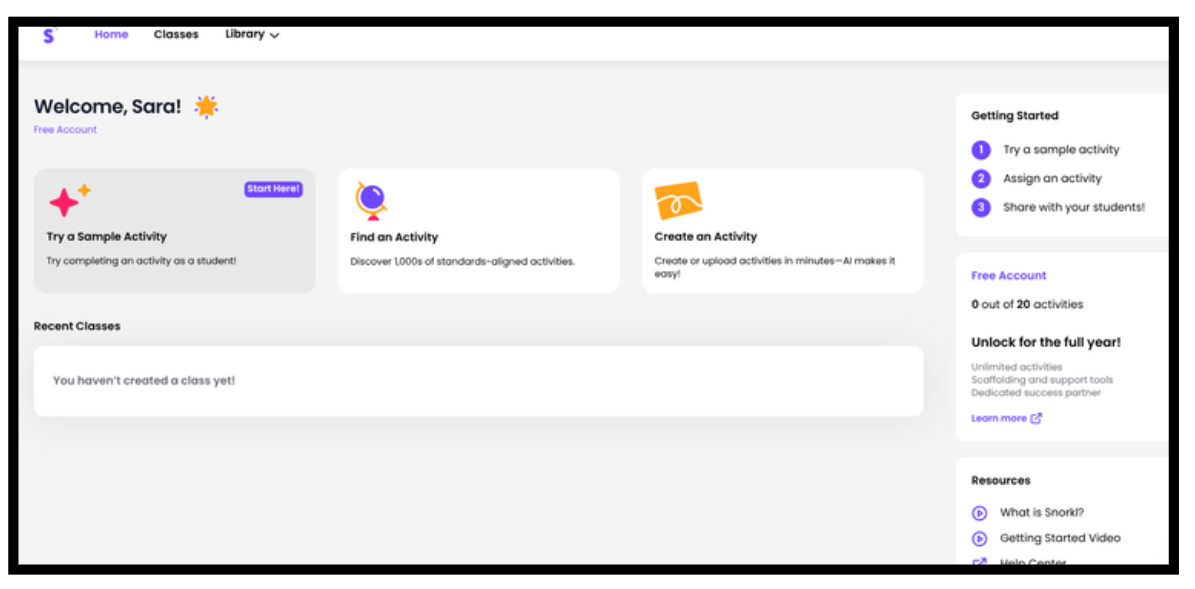
- Visit Snorkl.app and sign up for a free account using your Google or Microsoft login.
- Select the
"Teacher" role to gain access to the dashboard and activity library.
- Create a class (e.g., "Summer 2026") to act as a digital folder for your child's explorations.
- Pick an Sample Activity or Create Your Own
- The Library: Browse thousands of pre-made, standards-aligned activities across subjects like Math, Science, and English Language Arts.
- Custom Prompts: Use the "Create Activity" button to design a custom challenge based on your child's interests. Some examples include "explain how a black hole works" or "summarize your favorite chapter of
The Hobbit."
- The "Think-Aloud" Session
- Share the activity to your gifted and talented child via a link or a QR code.
- Your child will use the digital whiteboard to draw, type, or insert images while recording their voice to explain their reasoning.
- Tip: If they speak another language at home, they can record their explanation in any of the
50+ supported languages!
- Receive Instant Insights
- Once submitted, the AI analyzes the "multimodal" response (voice + drawing).
- Within seconds, it provides timestamped, asset-oriented feedback, celebrating strong logic and highlighting areas for deeper thought.
- Reflect and Revise
- Encourage your student to listen to the AI's suggestions and try the activity again to reach "mastery."
Pro-Tip for Families: Start with a "simple" activity such as an audio-only reflection on their day to help them get comfortable thinking aloud before moving to complex visual problems.
Are you ready for your gifted and talented kids to think out loud? Follow our step-by-step guide below!
STEP 1: Set Your Digital Stage
💡 THE PROMPT:
"Create a 30-second 'Welcome' clip. Draw a symbol that represents your biggest goal for this summer while explaining why you chose it."
STEP 2: The Language Deep-Dive
💡 THE PROMPT:
"Explain the water cycle (or another science concept) using only drawings and spoken words in a language other than English. How does the AI feedback help you improve your explanation?"
STEP 3: The "What If" Inquiry
💡 THE PROMPT:
"What if humans lived on Mars by June 2050? Draw a map of your Martian base and explain how you would solve the problem of getting oxygen and water."
STEP 4: The Meta-Cognition Masterclass
💡 THE PROMPT:
"Solve a complex math riddle or logic puzzle on the screen. Halfway through, pause and explain why you changed your mind or adjusted your strategy based on the AI's feedback."