

Discover best practices for gifted identification in Wisconsin, including universal screening, local norms, multiple measures, and parental participation.

Explore how a student-led Rubik’s Cube Club builds resilience, healthy risk-taking, and leadership skills in young learners beyond classroom instruction.
Learn how partnering proactively with your district's Gifted & Talented Coordinator opens doors to enrichment, state resources, and tailored student support.

Discover how data-informed questions and targeted screeners help identify gifted potential, reduce bias, and support diverse learners beyond test scores.

Discover how early enrichment opportunities and museum visits help shape student identity, boost academic confidence, and drive long-term talent development.
Discover key traits to identify gifted and twice-exceptional learners in September by observing curiosity, creative problem-solving, and non-traditional strengths.
Help gifted learners avoid boredom and burnout by adjusting task complexity, adding constraints, and shifting perspectives instead of increasing work volume.
Learn how to use student data to differentiate instruction for gifted learners by adjusting classroom content, process, product, and learning environment.
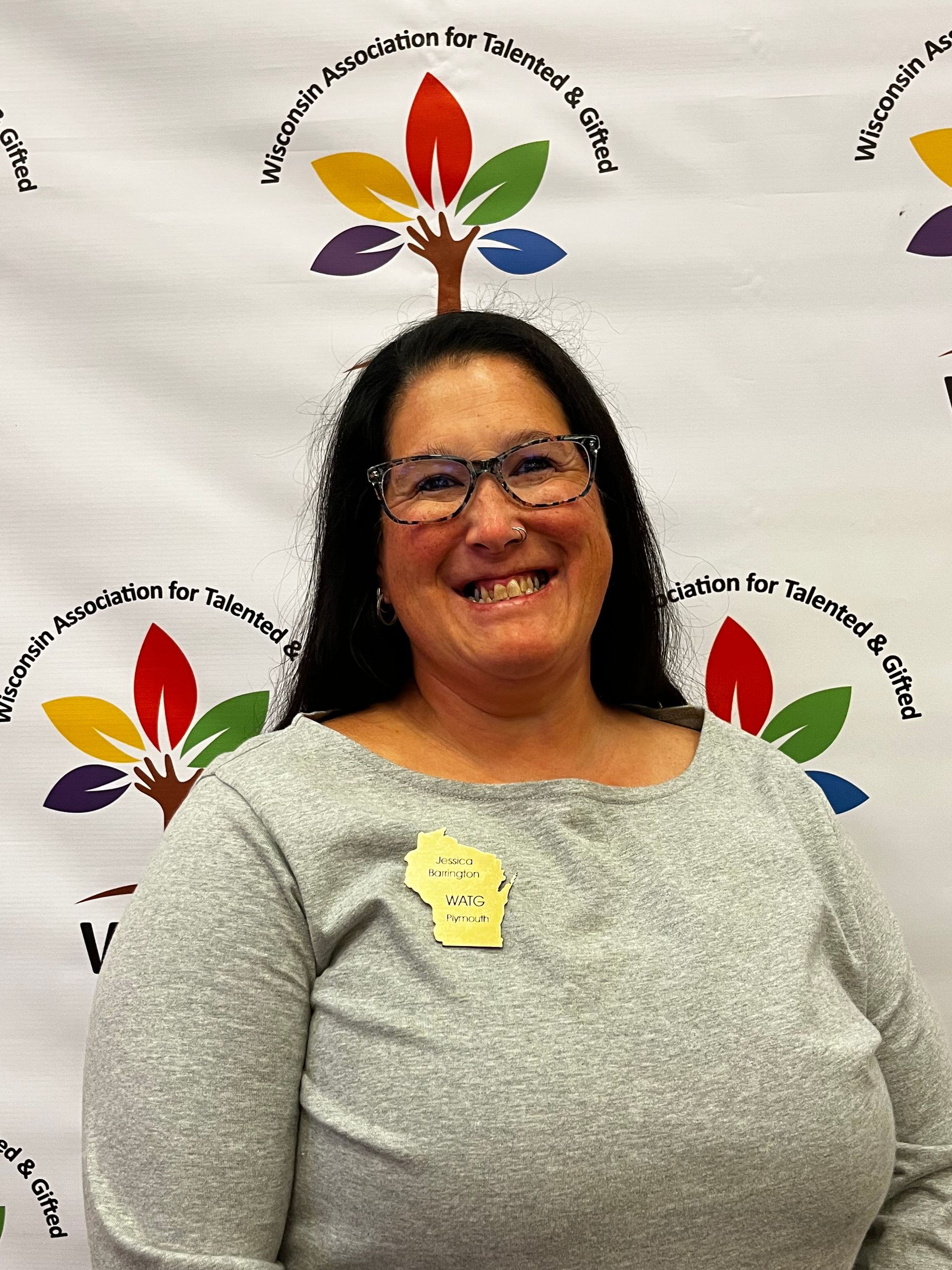
Jessica Barrington debunks 8 GT myths on IQ, self-direction, and grouping, urging teachers to offer targeted guidance and meaningful daily challenge.
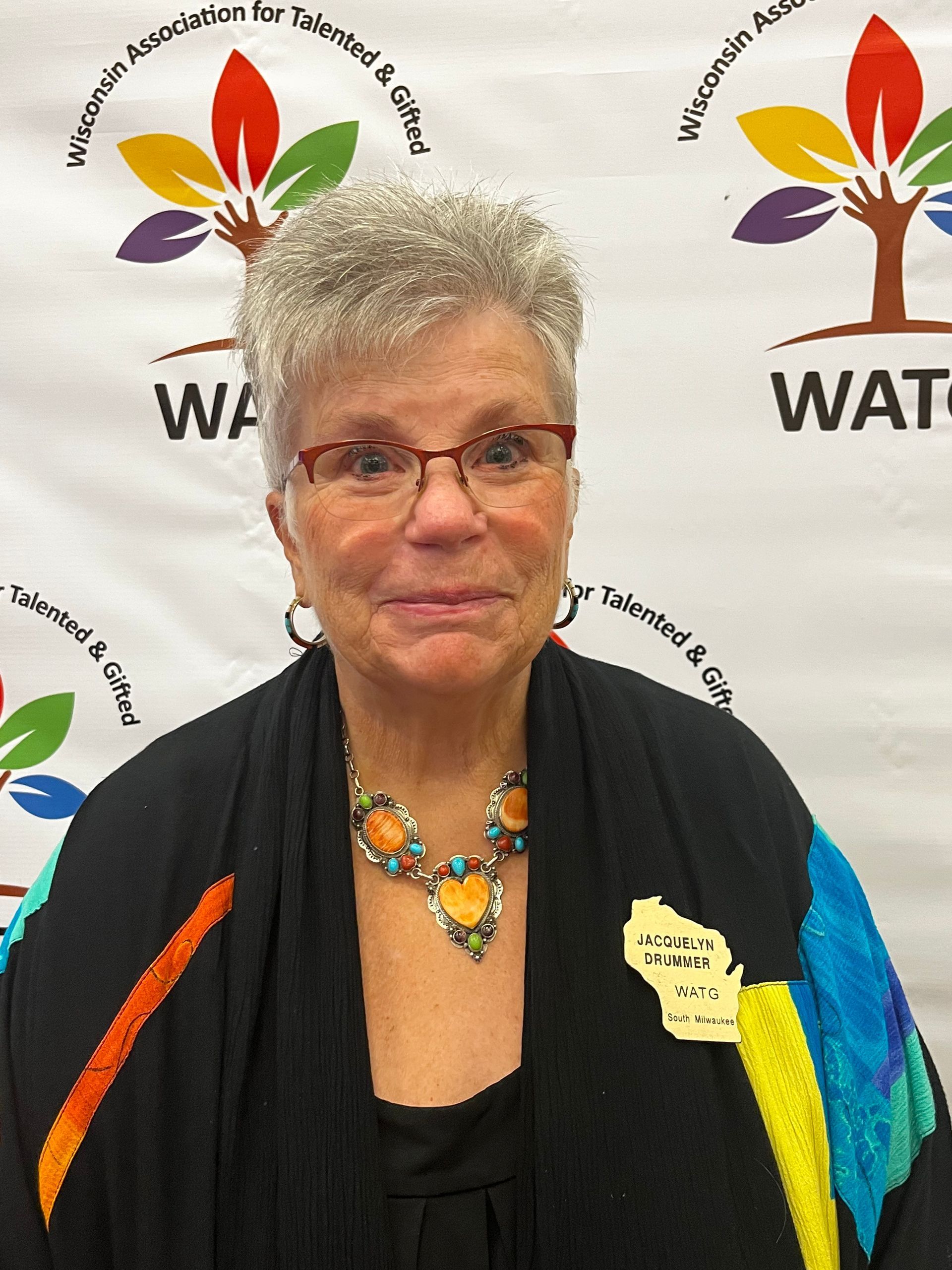
Jackie Drummer pairs the classic Eight Great Gripes with raw middle school voices. Explore their honest wonderings to spark meaningful student dialogue.